First responders, healthcare workers, and others in high-exposure roles carry the cumulative weight of what the job requires long after each shift ends.
Quiet Ground is a structured mindfulness practice built specifically for that experience, developed by someone who has used this same practice to work through profound personal loss.
Quiet Ground exists because cumulative occupational trauma is common, under-addressed, and often invisible until it surfaces.
It surfaces as burnout, disengagement, or attrition. By then, the cost has already been paid, by the person carrying it and by the workforce around them.
This programme gives the people carrying that weight something structured and immediate to use, without requiring a clinical appointment or a workplace disclosure.
What this is
A twelve-session mindfulness practice structured around the specific, daily effects of cumulative or acute trauma.
Designed for independent, repeated use.
What this is not
It is not therapy. It is not a substitute for clinical care. It is not positioned to replace any existing employee support or treatment pathway.
It is designed to sit alongside existing support structures, including EAPs, or to be the first thing someone is willing to try.
A return address. For when the mind has gone somewhere it did not choose to go.
A physical anchor. Gently touch your thumb and pointer finger together. Or both hands flat on a surface. Or just the feet on the floor. Whatever feels solid. Whatever feels like ground.
Hypervigilance, startle response, and intrusive memory are not malfunctions. They are a nervous system still running a protective programme installed when the threat was real.
Quiet Ground gives people a physical anchor, a way of returning to the present, that can be used anywhere, without equipment, without a scheduled session.
This is the mechanism the programme is built on. Not generic relaxation. A direct response to a known physiological pattern.
Twelve sessions.
Each one built around a specific, recognised effect of cumulative or acute trauma.
For organisations, and for individuals.
For workforces exposed to cumulative trauma. Paramedics and emergency services. Nursing and medical staff. Police. Funeral services. Any workforce where cumulative exposure to trauma is a known occupational reality. Designed to be deployed across a workforce without requiring additional clinical staff, and without disrupting existing EAP or wellbeing infrastructure already in place.
For individuals. A structured practice for the daily effects of cumulative or acute trauma, used on your own terms, without a clinical appointment and without a workplace disclosure.
Two ways in.
Whether you're bringing Quiet Ground to a workforce or to your own life, the twelve sessions are the same. The access is different.
- Full access to all 12 sessions for up to 50 members
- Administrator dashboard and usage reporting
- No additional clinical staff required
- Sits alongside existing EAP and wellbeing infrastructure
- No workplace disclosure required to use the practice
- Full access to all 12 sessions
- Progressive session unlock through the programme
- Personal profile and progress tracking
- Use on your own schedule, at your own pace
- Lifetime access to your programme
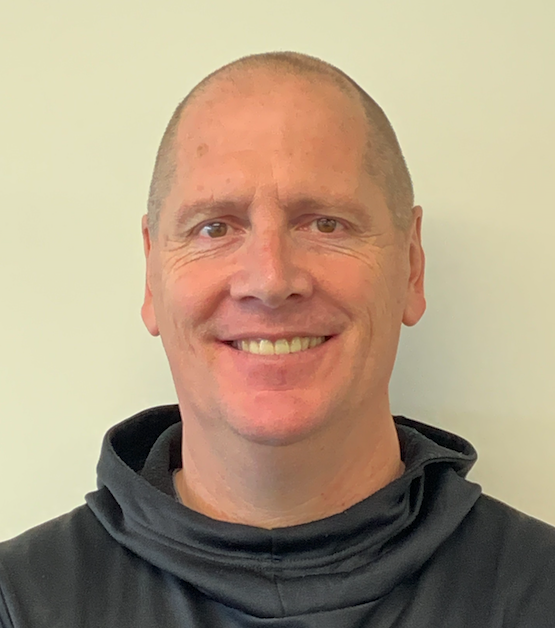
Bruce's sister died in a plane accident. In the aftermath, he turned to mindfulness as a way of working through grief and trauma that conventional approaches were not reaching. That practice became the foundation for Quiet Ground.
Bruce has spent decades since working alongside people carrying the hardest moments of their lives. Quiet Ground is the structured version of what he built for himself first.
Built from real experience.
Ready when you are.